
December 5, 2025 • Manufacturing
What Every Designer Should Know Before Contacting a Manufacturer
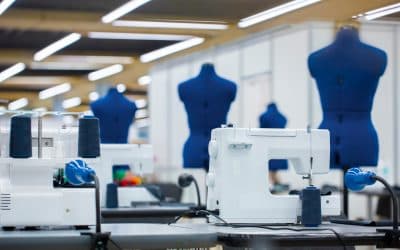
Breaking into fashion production is one of the most exciting-and challenging-steps for any designer. Whether you're launching your first collection or scaling an existing brand, choosing and approaching the right manufacturer can make or break your success. At Los Angeles Fashion Consulting, we guide designers through the entire production journey, and one of the biggest pitfalls we see is contacting a manufacturer before you're fully prepared.
This guide covers what every designer should know before reaching out to a manufacturer, so you can save time, reduce costs, and start your production with confidence.
**1. Have a Clear Vision for Your Brand and Collection**
Manufacturers can't build your product if your idea is vague. Before sending any inquiries, make sure you can clearly articulate:
- Your brand identity and target customer
- The type of garments you want to produce
- Your design aesthetic
- Your long-term goals (capsule collection, seasonal collections, scaling, etc.)
A manufacturer should feel confident that you know where your brand is headed.
**2. Prepare Detailed Technical Information**
Manufacturers depend on accurate information to provide quotes and timelines. Before contacting them, you should have:
**✔ Tech Packs**
A complete tech pack includes:
- Flat sketches
- Construction details
- Fabric + trim specifications
- Measurements + graded sizing
- Colorways
- Artwork placement, if applicable
**✔ Patterns & Samples**
Not all manufacturers create patterns or sew samples. If you already have these ready, production flows much faster. If you don't, be prepared to ask about their sample-making services.
The more information you have, the fewer costly revisions you'll face.
**3. Know Your Budget**
Manufacturers will immediately ask about:
- Your desired number of units
- Your price point
- Whether you prefer domestic or overseas manufacturing
Having a realistic budget helps you avoid mismatches. Production cost varies based on labor, materials, complexity, and quantity, so be ready to discuss your financial boundaries.
**4. Understand Minimum Order Quantities (MOQs)**
Every manufacturer has an MOQ-some require hundreds or thousands of units per style, while boutique factories in Los Angeles may allow small runs of 25-100 pieces.
Before you reach out:
- Know your ideal order quantity
- Prepare alternative options
- Be flexible if the manufacturer offers different MOQs per fabric, color, or size range
**5. Research Fabric and Trims in Advance**
Manufacturers expect you to have at least a basic understanding of:
- What fabric you plan to use
- Where it will be sourced
- Any specialty notions or trims required
Some factories source materials for you, but many do not. Arriving prepared shows professionalism and speeds up production.
**6. Establish a Realistic Timeline**
Many new designers underestimate how long production takes. Sampling, revisions, grading, cutting, and sewing all require time.
Before contacting a manufacturer:
- Determine your ideal launch date
- Add buffer time for inevitable revisions
- Understand that custom work takes longer
Manufacturers prioritize clients with clear, achievable timelines.
**7. Know What You'll Need From the Manufacturer**
Every manufacturer offers different services. You should know whether you're seeking:
- Pattern making
- Sample development
- Grading and marking
- Cut-and-sew production
- Full package manufacturing
Clarify what you need before starting the conversation. This avoids misunderstandings and prevents project delays.
**8. Be Ready With Professional Communication**
Manufacturers appreciate clear, concise information. When emailing, include:
- A short intro to your brand
- A brief overview of your project
- Tech packs or sketches
- Desired quantities
- Your ideal timeline
- Any questions you need answered
Professional communication signals reliability-factories prefer clients who are organized and prepared.
**9. Understand That Production Is a Partnership**
Manufacturing is not a one-way transaction. Designers and factories must work together to bring a vision to life. Before reaching out, understand:
- You'll need to make decisions quickly
- There may be compromises on materials or construction
- Transparency and respect go a long way
Strong relationships often create long-term manufacturing success.
**10. Consider Working With a Fashion Consultant**
The reality is that many designers struggle with the technical and operational side of production. That's where professional support makes a world of difference.
At Los Angeles Fashion Consulting, we help designers by:
- Preparing tech packs, patterns, and samples
- Connecting them with the right manufacturers
- Managing production timelines
- Preventing costly beginner mistakes
A consultant ensures you approach manufacturers confidently and professionally-giving your brand the best possible start.
Final Thoughts
Reaching out to a manufacturer is a huge step in your fashion journey. The more prepared you are, the smoother your production will be. By having clear designs, accurate technical documents, realistic timelines, and a strong understanding of your budget and needs, you'll stand out as a designer who is ready for professional production.
If you need guidance at any stage-from concept to manufacturing-Los Angeles Fashion Consulting is here to help bring your vision to life.
Ready to Elevate Your Fashion Brand?
Get a FREE consultation with Los Angeles Fashion Consulting.
Get Your FREE Consultation