
October 24, 2025 • Designing
From Sketch to Stitch: Understanding the Full Apparel Production Process
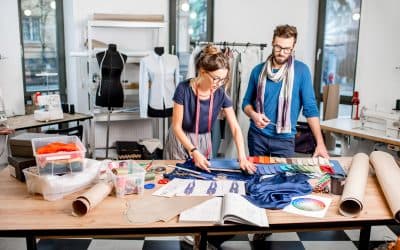
Launching a clothing line involves more than just great ideas and creative designs - it's a journey that transforms imagination into wearable art. Whether you're a fashion visionary or an aspiring entrepreneur, understanding the full apparel production process from sketch to stitch helps you turn your designs into market-ready garments efficiently and profitably.
**1. Concept Development and Market Research**
Every collection starts with inspiration. Designers begin by identifying trends, colors, and themes that align with their brand identity and target audience. Market research plays a critical role at this stage - analyzing competitors, customer preferences, and seasonal demand ensures your designs meet both creative and commercial goals.
Mood boards, sketches, and digital design tools (like Adobe Illustrator or CLO 3D) help translate creative concepts into visual form, setting the direction for the entire production process.
**2. Fabric Sourcing and Material Selection**
Once the design vision is clear, the next step is choosing the right fabrics and trims. The choice of material influences not only the look and feel of the garment but also its cost, durability, and sustainability footprint.
Designers work closely with textile mills, fabric suppliers, and trim vendors to source swatches and samples. Common materials include cotton, linen, silk, polyester, and blends - each chosen based on performance requirements such as breathability, stretch, or texture.
**3. Pattern Making and Sample Development**
With designs and materials approved, technical designers or pattern makers create patterns - templates that serve as the blueprint for cutting fabric. These patterns may be hand-drawn or generated digitally using CAD software.
The first prototype or "sample" is produced to test the garment's fit, construction, and overall aesthetic. Several rounds of sampling and adjustments may follow until the design meets the desired standard.
**4. Grading and Sizing**
After finalizing the approved sample, the pattern is graded to create a full size range. Grading ensures that each size maintains consistent proportions and fit. This step requires precision and technical expertise to balance aesthetic design with comfort and practicality across all body types.
**5. Fabric Cutting and Preparation**
Once patterns and sizes are finalized, the production team prepares for cutting. Fabric is laid out in multiple layers on large cutting tables, and the pattern pieces are cut using either manual shears or automated cutting machines. Markers (guides showing how pattern pieces fit on the fabric) help minimize waste and optimize material use.
**6. Sewing and Assembly**
This is where "sketch to stitch" truly comes to life. Skilled sewers assemble the cut pieces according to detailed tech packs - documents outlining stitching methods, seam allowances, labels, and finishing details. Industrial machines handle specialized operations like serging, hemming, and attaching zippers or buttons.
Quality control is crucial throughout this stage to ensure consistency and precision in every piece.
**7. Finishing and Quality Inspection**
Once sewing is complete, garments undergo finishing touches such as pressing, trimming loose threads, attaching labels, and packaging. Quality control teams inspect each item for defects, ensuring color accuracy, stitching strength, and overall craftsmanship meet brand standards.
**8. Packaging and Shipping**
After approval, garments are folded, tagged, and packed according to retailer or e-commerce requirements. Logistics teams coordinate with freight companies to deliver the finished products to distribution centers, boutiques, or directly to customers.
**9. Marketing and Launch**
The final step in the apparel journey involves presenting the collection to the world. Professional photoshoots, lookbooks, and digital marketing campaigns help communicate your brand's story. Social media, influencers, and online stores amplify your visibility, creating anticipation and demand for your new line.
**Bringing It All Together**
The apparel production process blends artistry, technology, and precision craftsmanship. Understanding each step - from sketching ideas to stitching garments - gives designers and entrepreneurs the confidence to navigate the fashion industry efficiently. With the right partners, clear communication, and strategic planning, your vision can evolve from a simple sketch to a successful clothing line ready to make an impact on the runway or in retail.
Ready to Elevate Your Fashion Brand?
Get a FREE consultation with Los Angeles Fashion Consulting.
Get Your FREE Consultation