
April 11, 2026 • Manufacturing
Cut and Sew vs. Private Label: Which Is Right for You?
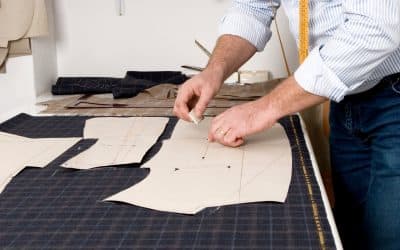
Choosing between cut and sew manufacturing and private label production is one of the most important decisions you'll make when building a fashion brand. The right path affects your budget, timeline, product quality, brand identity, and how easily you can scale. At Los Angeles Fashion Consulting, we help brands clarify their goals and match them with the best production strategy-whether you're launching your first capsule or expanding an established line.
What Is Cut and Sew?
Cut and sew means your garments are made from scratch. You start with a design, create patterns, source fabric and trims, develop samples, then produce your styles through cutting, sewing, and finishing. This approach gives you the most control over fit, construction, and unique design details.
Best For
- Brands that want original designs and custom silhouettes
- Founders who care deeply about fit, fabric, and garment construction
- Labels building a distinct identity and long-term IP
- Collections that require specialty fabrics, washes, or detailing
Typical Cut and Sew Workflow
- Concept + tech pack development
- Patternmaking and grading
- Fabric and trim sourcing
- Sampling and fit rounds
- Production planning + MOQ alignment
- Cutting, sewing, QC, finishing, packaging
What Is Private Label?
Private label (sometimes called "white label" when fully generic) means you choose from pre-existing styles a manufacturer already produces, then add your brand elements-such as your label, hangtags, colors, or minor modifications. You're buying an established product and branding it as your own, which can dramatically reduce development time.
Best For
- Brands testing a market quickly
- Entrepreneurs focused on marketing and distribution first
- Simple product categories with proven demand (tees, hoodies, basics)
- Businesses that need faster turnaround and lower development costs
Typical Private Label Workflow
- Select styles from a vendor catalog
- Choose available fabrics, colors, and size ranges
- Add branding (labels, packaging, sometimes print/embroidery)
- Place order and manage QC on delivered goods
Cut and Sew vs. Private Label: Key Differences
1) Customization and Brand Differentiation
Cut and sew offers maximum differentiation. You own the patterns and can develop signature fits, unique details, and exclusive fabric stories. Private label is faster, but your product may look similar to what other brands can buy from the same source.
2) Cost and Upfront Investment
Cut and sew typically requires higher upfront costs due to patternmaking, sampling, and sourcing. Private label reduces development expenses because the product already exists, though per-unit costs can vary depending on customization and minimums.
3) Speed to Market
Private label is often the fastest route to launching. Cut and sew takes longer because it includes multiple development stages (tech packs, patterns, samples, approvals) before production begins.
4) Minimum Order Quantities (MOQs)
MOQs vary widely by supplier and product category. In general, private label can offer lower MOQs for certain basics, while cut and sew may require higher quantities per style, color, and fabric lot-especially when custom sourcing is involved.
5) Quality Control and Fit
Cut and sew gives you more control over fit and construction standards, especially when working closely with patternmakers and local production. Private label quality can be consistent, but your ability to change fit or construction details may be limited.
6) Scalability Over Time
Private label can be a strong starting point for early revenue, but long-term scaling may require more differentiation. Cut and sew is often better for building a defensible brand with proprietary products-especially once you have proven demand and can invest in development.
Pros and Cons at a Glance
Cut and Sew: Pros
- Full creative control over design, fit, and materials
- Stronger brand identity and product uniqueness
- Ability to refine quality and construction standards
- Patterns can become long-term brand assets
Cut and Sew: Cons
- Higher upfront development costs
- Longer timeline due to sampling and approvals
- More complex sourcing and production management
- MOQs can be challenging for new brands
Private Label: Pros
- Faster launch with simpler development
- Lower upfront investment in patterns and sampling
- Useful for testing categories and validating demand
- Operationally easier for first-time founders
Private Label: Cons
- Less differentiation and limited customization
- Potential overlap with other brands using the same supplier
- Fit and construction may be difficult to modify
- Brand value can depend more on marketing than product innovation
Which Option Is Right for You?
The best choice depends on your goals, timeline, and budget. Use these scenarios to guide your decision.
Choose Cut and Sew If You Want to:
- Create a signature fit or unique silhouette
- Build a premium product with custom materials and finishes
- Develop a brand with long-term defensibility and originality
- Control grading, sizing, and quality standards
Choose Private Label If You Want to:
- Launch quickly and start selling with minimal development
- Test a niche, marketing channel, or audience before investing heavily
- Offer basics or proven items where speed matters most
- Focus on branding, content, and distribution first
A Smart Middle Ground: Hybrid Production
Many successful brands use a hybrid strategy: start with private label to validate demand and generate cash flow, then transition key bestsellers into cut and sew for stronger differentiation and improved margins over time. Another approach is to keep basics private label while developing hero products through cut and sew.
How Los Angeles Fashion Consulting Can Help
Whether you're leaning cut and sew or private label, the details matter-factory selection, tech packs, sampling, costing, timelines, and quality control can make or break a launch. Los Angeles Fashion Consulting supports brands with practical, production-focused guidance to help you choose the right path and execute it with confidence.
- Cut and sew strategy: tech packs, patterns, sampling plans, sourcing support
- Private label strategy: supplier vetting, customization options, QC planning
- Production readiness: costing targets, MOQ negotiation, timeline mapping
- Scaling support: improving margins, upgrading materials, and optimizing vendors
Final Takeaway
If you need speed and simplicity, private label can get you into the market fast. If you want full creative control and long-term brand equity, cut and sew is the stronger foundation. The right answer is the one that matches your stage, resources, and growth plan-and you can always evolve from one model to the other as your brand grows.
Ready to Elevate Your Fashion Brand?
Get a FREE consultation with Los Angeles Fashion Consulting.
Get Your FREE Consultation