
December 19, 2025 • Athleisure
Choosing the Right Materials for Your Target Market (Luxury vs. Streetwear vs. Athleisure)
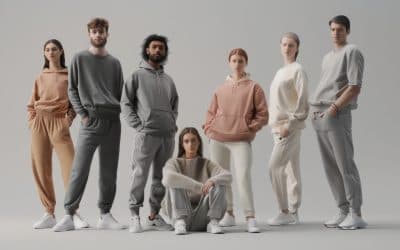
One of the most important-and often overlooked-decisions in building a successful clothing brand is choosing the right materials for your target market. Fabric selection directly impacts your brand perception, production costs, pricing strategy, customer satisfaction, and even your ability to scale.
At Los Angeles Fashion Consulting, we work closely with emerging and established designers to align material choices with brand positioning. Whether you're launching a luxury collection, a streetwear label, or an athleisure brand, understanding how materials support your target audience is essential.
Below is a breakdown of how material selection differs across luxury, streetwear, and athleisure markets-and how to choose wisely.
Why Fabric Choice Matters More Than You Think
Your materials influence:
- Retail price point
- Customer expectations
- Manufacturing partners
- Fit, durability, and comfort
- Brand storytelling and perceived value
Choosing the wrong fabric can lead to high returns, inconsistent quality, or a disconnect between your brand image and customer experience.
Luxury Fashion: Premium Materials, Precision, and Perception
Luxury fashion consumers expect exceptional quality, craftsmanship, and sensory experience. In this market, materials are part of the story.
Common Luxury Materials
- Silk, charmeuse, satin
- Cashmere and merino wool
- Fine leather and suede
- Linen blends
- High-thread-count cottons (Egyptian, Supima)
- Specialty fabrics (jacquard, brocade, cupro)
Key Considerations
- Fabric hand feel and drape
- Fiber origin and sustainability
- Dye quality and color consistency
- Shrinkage and long-term wear
Luxury fabrics often require:
- Lower minimums
- Specialized manufacturers
- More detailed tech packs
- Higher production costs
💡 Tip: In luxury, material quality justifies pricing. Never cut corners here.
Streetwear: Durability, Structure, and Brand Identity
Streetwear lives at the intersection of function, culture, and design. Materials need to be durable, repeatable, and visually strong-while still keeping margins workable.
Common Streetwear Materials
- Heavyweight cotton jersey (180-320 GSM)
- French terry fleece
- Brushed fleece
- Denim
- Twill and canvas
- Nylon and ripstop blends
Key Considerations
- Weight and structure
- Print and embroidery compatibility
- Wash resistance
- Consistency across bulk runs
Streetwear brands often prioritize:
- Strong silhouettes
- Oversized fits
- Logo placement and graphic durability
- Scalable materials for reorders
💡 Tip: Choose fabrics that hold shape after repeated washing and work well with screen printing or embroidery.
Athleisure: Performance, Comfort, and Technology
Athleisure customers expect clothing that moves, breathes, and performs-without sacrificing style. Fabric innovation is critical in this category.
Common Athleisure Materials
- Polyester and nylon blends
- Spandex / elastane
- Moisture-wicking knits
- Compression fabrics
- Recycled performance textiles
- Mesh and technical weaves
Key Considerations
- Stretch and recovery
- Breathability and moisture management
- Durability under movement
- Anti-odor and antimicrobial treatments
Athleisure production requires:
- Precise pattern grading
- Technical fabric testing
- Experienced activewear manufacturers
- Higher QC standards
💡 Tip: Always test performance fabrics before bulk production-movement exposes flaws fast.
Sustainability Across All Markets
Today's consumers-especially in Los Angeles-are increasingly conscious of sustainability and ethics.
Sustainable material options include:
- Organic cotton
- Recycled polyester
- TENCEL™ / Lyocell
- Deadstock fabrics
- Low-impact dyes
Choosing sustainable fabrics can:
- Improve brand trust
- Support premium pricing
- Open doors to eco-focused retailers
Matching Materials to Your Brand Strategy
Before choosing fabrics, ask:
- Who is my customer?
- What price point am I targeting?
- How will this garment be worn?
- What story does my brand tell?
- Can this material scale with my business?
This alignment is critical to long-term success.
How Los Angeles Fashion Consulting Helps
At Los Angeles Fashion Consulting, we help designers:
- Select fabrics aligned with their target market
- Source reliable suppliers and mills
- Develop manufacturer-ready tech packs
- Avoid costly material mistakes
- Scale production confidently
Whether you're building a luxury capsule, launching a streetwear drop, or developing a performance-driven athleisure line, choosing the right materials from the start saves time, money, and frustration.
Ready to Elevate Your Fashion Brand?
Get a FREE consultation with Los Angeles Fashion Consulting.
Get Your FREE Consultation